July 16, 2026
In today's rapidly evolving commercial landscape, ensuring the comprehensive protection of physical assets, intellectual property, and sensitive organizational information has become an absolute priority for forward-thinking business owners. Modern commercial protection environments require sophisticated solutions that go far beyond traditional lock-and-key mechanisms, establishing a reliable ecosystem where entry is meticulously monitored and managed. Implementing an advanced access control framework allows enterprises to systematically govern entry permissions, effectively ensuring that only authorized personnel gain admittance to specific sectors or proprietary digital networks. By deploying these automated verification architectures, organizations can successfully mitigate a wide array of operational risks, minimize internal vulnerabilities, and build an environment where safety and productivity seamlessly coexist. As corporate facilities face increasingly complex security challenges, a professionally designed entry management strategy shifts from being an optional administrative upgrade to an essential foundation of sustainable business operations.
Securing Corporate Facilities
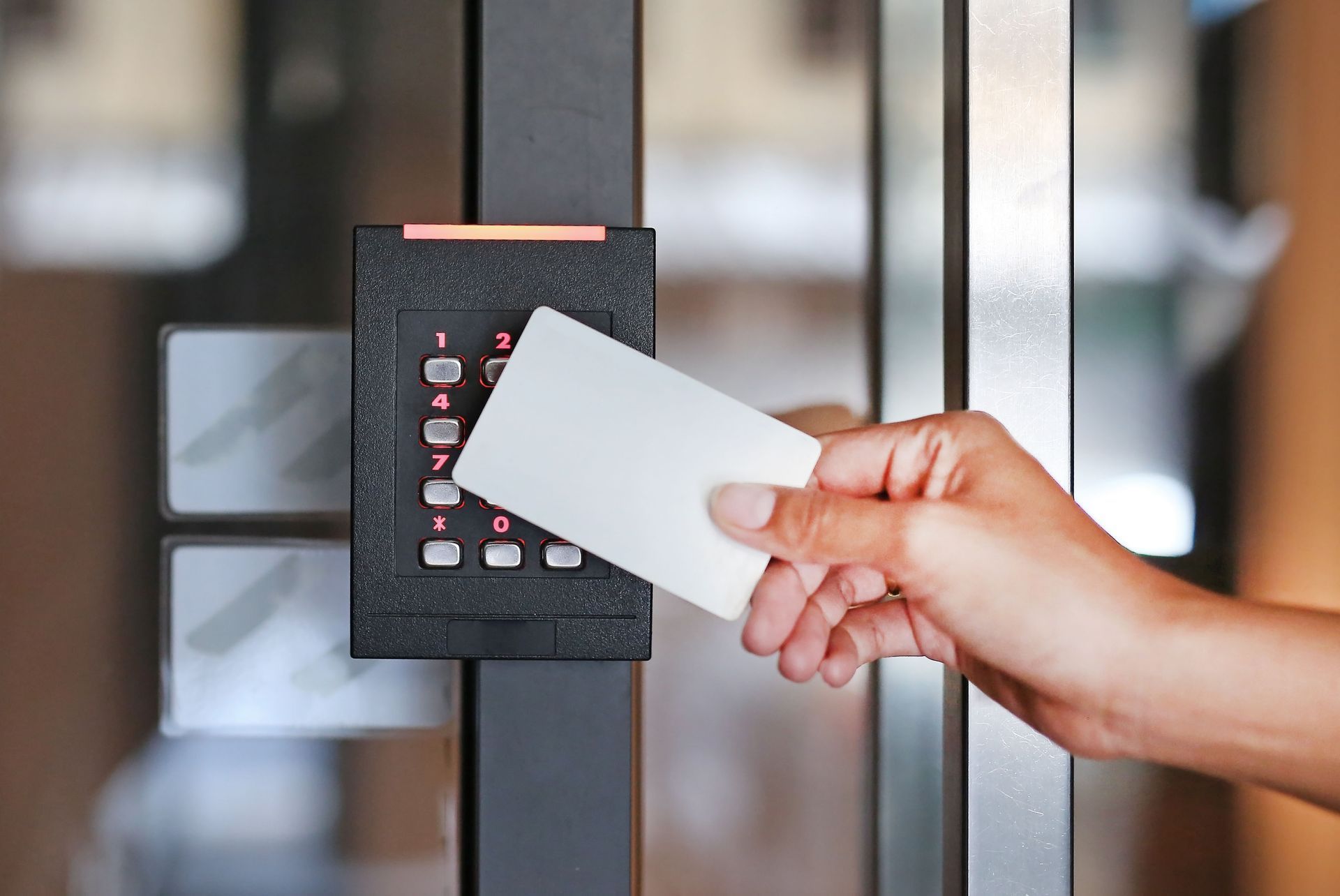
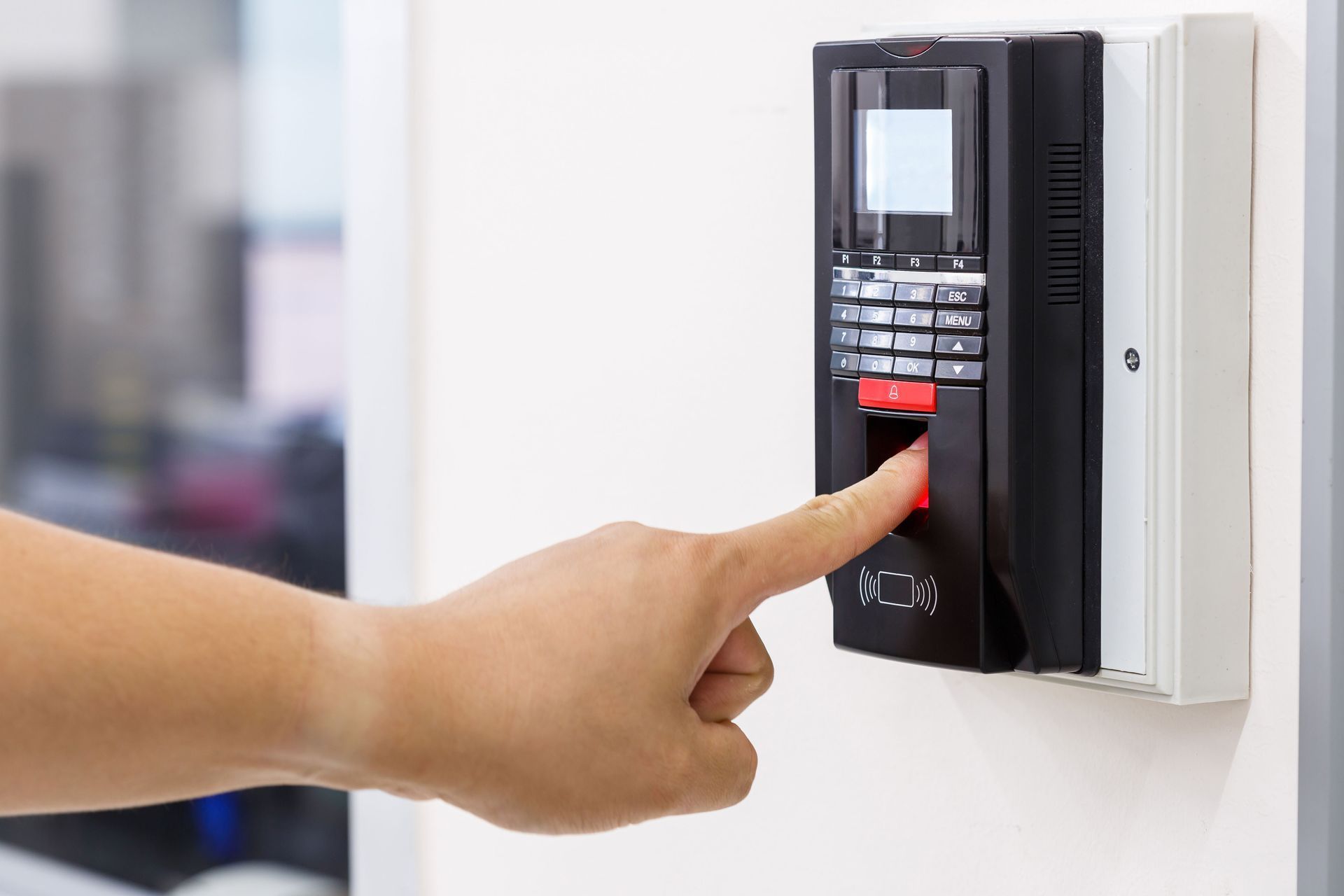
A primary objective of modern facility management is maintaining absolute control over who enters a business location at any given time. Many enterprises house high-value machinery, expensive inventory, or confidential physical documentation that could cause immense operational disruptions if handled by unauthorized personnel. According to SafeHome, the importance of home security systems is highlighted by the fact that almost half of all violent crimes occur in residential settings. This means that the remaining 52% occur in commercial or public settings. A sophisticated access control installation offers a powerful line of defense by replacing easily duplicated physical keys with secure digital credentials, such as encrypted cards, mobile applications, or biometric authentication methods. This change drastically reduces the probability of undetected intrusion, providing building administrators with real-time visibility into personnel movements throughout the facility. Furthermore, a top-tier provider can customize these entry systems to align with specific operational schedules, ensuring that lockouts occur automatically during non-business hours while allowing seamless entry for verified staff during authorized shifts.
Effectively managing visitors, contractors, and temporary delivery personnel is another area where automated entry frameworks provide undeniable value to modern enterprises. Instead of relying on manual sign-in sheets that are prone to human error, automated systems create an indisputable digital log of every individual who crosses the perimeter. Security teams can effortlessly issue temporary access rights that automatically expire after a designated period, minimizing the risk of lingering security gaps. This streamlined oversight is particularly vital for organizations operating across large campuses or multi-story office buildings where manual tracking is logistically impossible. By embracing these integrated entry systems, a business significantly strengthens its defensive perimeter, deters opportunistic crime, and establishes a highly professional atmosphere that immediately commands respect from visitors and partners alike.
Protecting Data Assets
In our increasingly digitized corporate environment, the physical perimeter is only one part of a comprehensive corporate security strategy. Valuable electronic files, proprietary bases, financial records, and personal consumer data are constantly targeted by sophisticated external threats and insider vulnerabilities. Integrating physical entry restrictions with digital system security via a robust access control architecture ensures that sensitive server rooms, network closets, and data centers remain entirely off-limits to unverified individuals. This multilayered approach ensures that an intruder cannot simply walk into an office space and physically connect an unauthorized device to a corporate network. By safeguarding the physical infrastructure that hosts critical digital information, a business establishes a reliable foundation for its broader cybersecurity policies, effectively closing a common backdoor often exploited during corporate espionage attempts.
Maintaining granular authority over internal data access also helps prevent accidental or malicious internal data exposure. Implementing tiered authentication levels ensures that personnel only enter zones containing information directly relevant to their specific daily responsibilities. This structure dramatically lowers the risk of internal data mishandling, as employees are prevented from browsing sensitive areas out of curiosity or unauthorized intent. Comprehensive digital logging mechanisms generate automated audit trails, giving compliance officers the exact documentation needed to verify data integrity during formal security evaluations. In an age where digital data privacy is closely linked to a brand's overall market standing, utilizing advanced entry management tools is a necessary step for safeguarding corporate longevity and protecting intellectual property from unauthorized distribution.
Enhancing Workforce Safety
Providing a completely secure environment for employees is a core ethical and operational requirement for any successful business entity. Specialized access control solutions protect workers by preventing unauthorized individuals from entering hazardous industrial zones, research laboratories, or heavy machinery floors without the appropriate safety certifications. By establishing automated boundaries, companies can significantly reduce the occurrence of accidental workplace injuries, shielding employees from harm while protecting the organization from costly operational downtime and potential legal issues. In high-risk operational settings, these automated barriers serve as a vital preventative tool that reinforces strict adherence to mandatory occupational health and safety protocols across the entire workforce.
Advanced electronic entry systems also provide invaluable support during sudden workplace emergencies by offering real-time data regarding building occupancy. If a fire, chemical spill, or severe weather event forces an immediate evacuation, an integrated security dashboard can instantly generate an accurate digital muster report showing exactly how many individuals passed through specific checkpoints. This crucial information allows emergency first responders to direct their search and rescue efforts with maximum precision, potentially saving lives during critical scenarios. Additionally, modern systems feature remote lock capabilities, allowing administrators to secure an entire facility within seconds if an external threat is detected nearby, keeping workers safe and isolated from danger until authorities successfully resolve the situation.
Meeting Regulatory Standards
Modern corporate entities must navigate a complex web of legal mandates and industry-specific regulations that dictate exactly how sensitive information and physical spaces must be protected. Organizations in fields such as healthcare, corporate finance, and aerospace engineering are subject to strict standards like HIPAA, PCI DSS, or defense-grade security protocols that demand verifiable entry management solutions. Deploying a comprehensive access control framework enables these companies to effortlessly satisfy rigid compliance criteria by offering automated, tamper-proof logs of all entry events. Failing to meet these legal expectations can lead to severe financial penalties, devastating litigation, and the potential loss of necessary operational licenses, making advanced entry tracking a core operational requirement.
Adhering to international data protection mandates, such as the GDPR, requires corporations to demonstrate a proactive, highly organized approach to managing physical and digital data environments. Implementing automated entry tracking demonstrates a clear corporate commitment to maintaining high standards of data privacy, which significantly shields an enterprise during regulatory audits. The definitive activity histories recorded by these modern electronic security platforms allow internal compliance teams to conduct thorough risk assessments and quickly address potential vulnerabilities before they scale into systemic failures. By embedding these high-level monitoring tools directly into daily infrastructure operations, a business mitigates legal liabilities, enhances regulatory transparency, and reinforces its market position as a compliant entity.
Optimizing Daily Operations
While the primary purpose of electronic security systems is to prevent unauthorized entry, these advanced platforms also deliver exceptional enhancements to a company's day-to-day operational efficiency. By automating personnel validation processes, businesses can successfully eliminate the high costs and logistical headaches associated with replacing lost physical keys or continuously re-keying mechanical locks when staff members leave the organization. System administrators can easily modify user access privileges instantly through a centralized software interface, saving valuable time for administrative personnel and allowing security teams to pivot their attention toward proactive risk management. This operational agility lowers ongoing overhead costs and ensures that organizational changes are handled with total precision.
Modern electronic entry solutions are built to interface seamlessly with other critical facility systems, including automated climate management, smart lighting grids, and human resource tracking software. This high level of system integration allows companies to gather helpful facility usage data, allowing department heads to optimize workspace utilization based on actual foot traffic patterns. For example, building automation systems can adjust heating or cooling settings in specific sectors based on real-time entry logs, yielding substantial utility savings over time. By utilizing an integrated
access control
model, progressive companies can successfully transform their security infrastructure into a dynamic source of operational intelligence that refines workflow efficiency and minimizes resource waste.
As contemporary security challenges continue to shift, businesses must remain proactive by adopting scalable, future-proof screening architectures that easily adapt to changing operational demands. Investing in a tailored security solution is a proactive measure that establishes a safe, resilient foundation for continuous corporate achievement, and businesses looking to elevate their security posture can achieve total peace of mind by partnering with Royce Integrated Solutions.