May 26, 2026
In today's fast-paced world, the importance of security cannot be overstated. Advanced access control systems play a crucial role in ensuring that only authorized individuals can access specific areas. These systems not only enhance security but also improve operational efficiency by providing a streamlined method of managing access. With the rise of technological advancements, access control systems have evolved to include a variety of features aimed at meeting the diverse needs of modern environments. As organizations strive to protect their assets and data, understanding the key features of advanced access control systems becomes essential.
1. Authentication Methods
1.1 Biometric Authentication
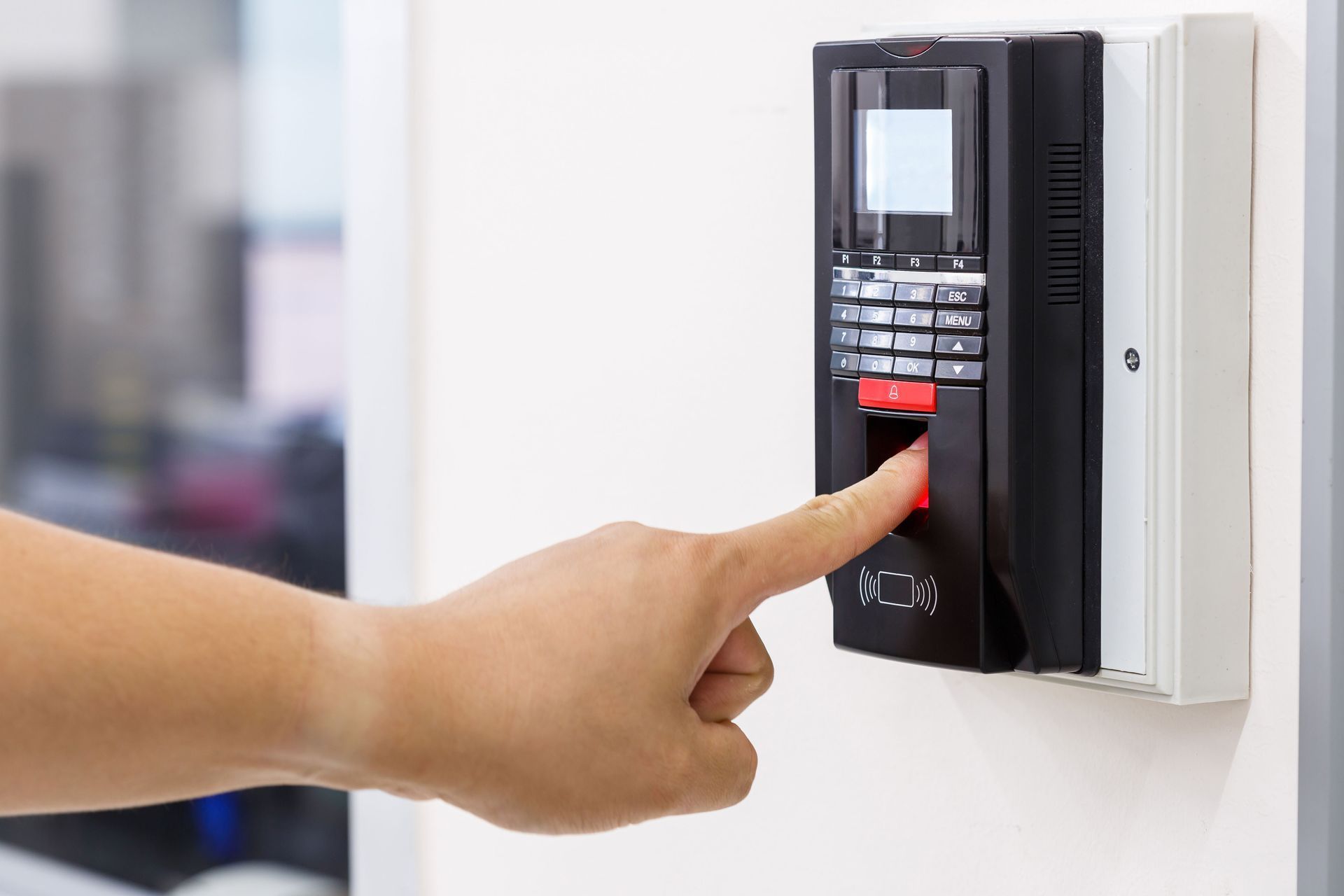
Biometric authentication is at the forefront of advanced access control systems, offering a high level of security by using unique biological traits. This method includes fingerprints, facial recognition, iris scans, and even voice recognition to verify an individual's identity. Unlike traditional methods, biometrics are difficult to forge, providing a more secure option for access control.
Biometric authentication systems are becoming more prevalent due to their convenience and accuracy. Users appreciate the ease of use, as there is no need to remember passwords or carry access cards. As technology advances, biometric systems are becoming more affordable and accessible to a wider range of businesses. The integration of artificial intelligence in biometric systems helps in reducing false acceptance and rejection rates.
1.2 Multi-Factor Authentication
Multi-factor authentication (MFA) is a pivotal feature in advanced access control systems, offering an extra layer of security. By requiring users to provide two or more verification factors, MFA significantly reduces the risk of unauthorized access. Typically, MFA combines something the user knows (password), something the user has (security token), and something the user is (biometric verification). This comprehensive approach ensures that even if one factor is compromised, the system remains secure.
The benefits of multi-factor authentication extend beyond security, enhancing user confidence and trust in the system. Users feel more secure knowing that their information is protected by multiple layers of verification. According to ArcSite, nearly 46% of people claim that installing a fence improved their sense of security, which can be likened to the additional security felt with MFA. The implementation of MFA is particularly crucial in industries dealing with sensitive data, such as finance and healthcare. By integrating MFA into their access control systems, organizations can ensure compliance with regulatory standards and protect against potential breaches.
2. Integration Capabilities
2.1 Compatibility with Existing Systems
In the realm of advanced access control systems, integration capabilities are a critical factor to consider. Compatibility with existing systems is essential for seamless operation and to avoid costly overhauls. Organizations often have various legacy systems in place, and it's important that new access control solutions can integrate without disruption. This compatibility ensures that all components of a security infrastructure work harmoniously, providing a unified approach to access management. Choosing systems with open architecture and standard protocols can facilitate easier integration and future scalability.
Integration with existing systems not only enhances security but also improves operational efficiency. By consolidating access control with other security measures such as CCTV and alarm systems, organizations can achieve a comprehensive security solution. This integration allows for centralized management and monitoring, reducing the complexity of managing multiple systems. Furthermore, it provides a holistic view of security operations, enabling quicker response to incidents.
2.2 API Support
API support is a crucial feature in advanced access control systems, enabling integration with a wide range of applications and services. Application Programming Interfaces (APIs) allow different software systems to communicate and share data, enhancing the functionality and flexibility of access control solutions. With API support, organizations can customize their systems to meet specific needs and integrate with other business applications.
The benefits of API support extend to improved data management and analytics. By integrating access control systems with data analytics platforms, organizations can gain valuable insights into user behavior and access patterns. This data can inform security strategies and operational decisions, leading to more efficient and effective security management. Additionally, APIs enable real-time data sharing, facilitating quick responses to security incidents. As organizations increasingly rely on data-driven decision-making, the role of APIs in access control systems becomes more significant.
3. Protection Barriers
3.1 Automated Gate Hardware and Mechanical Barriers
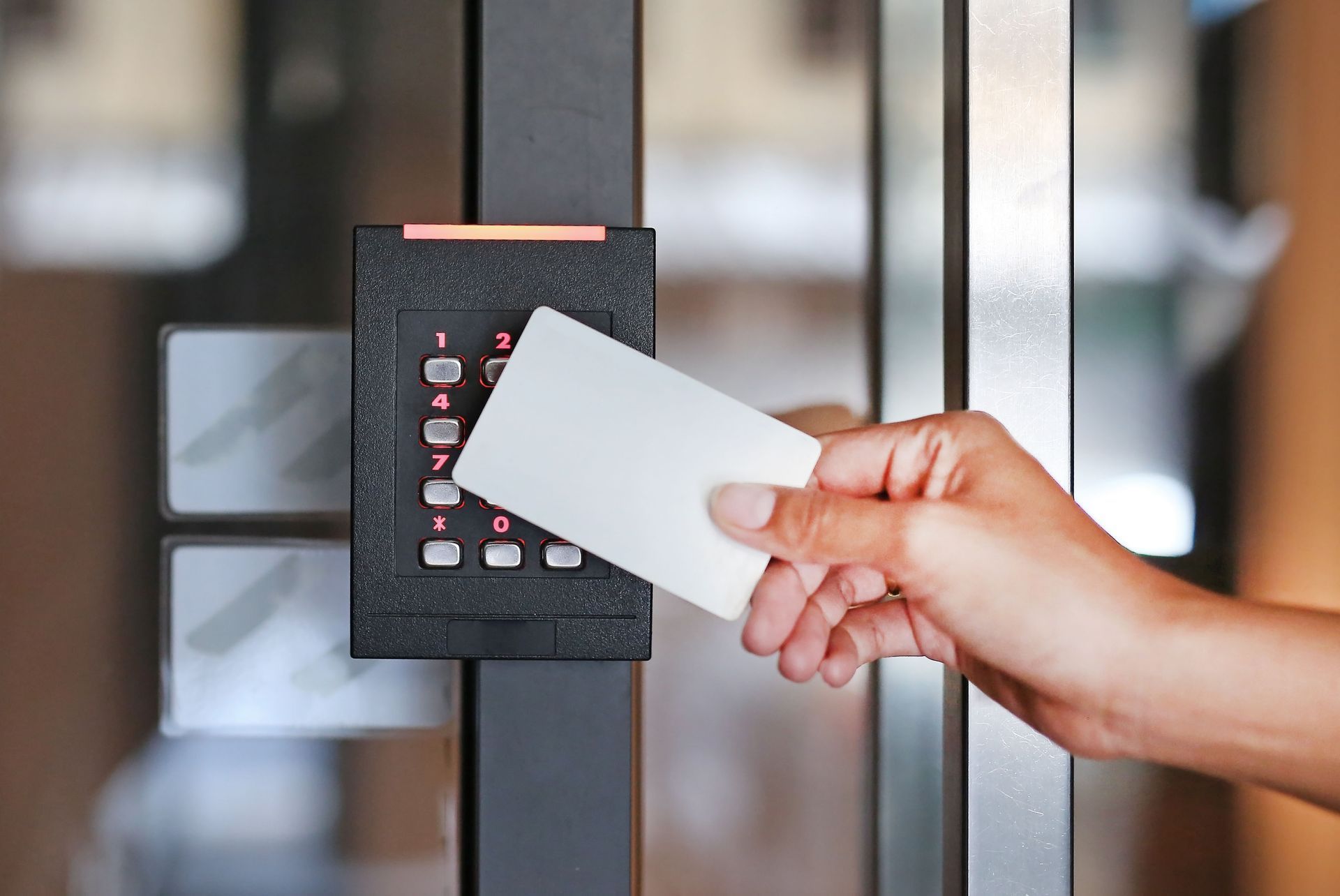
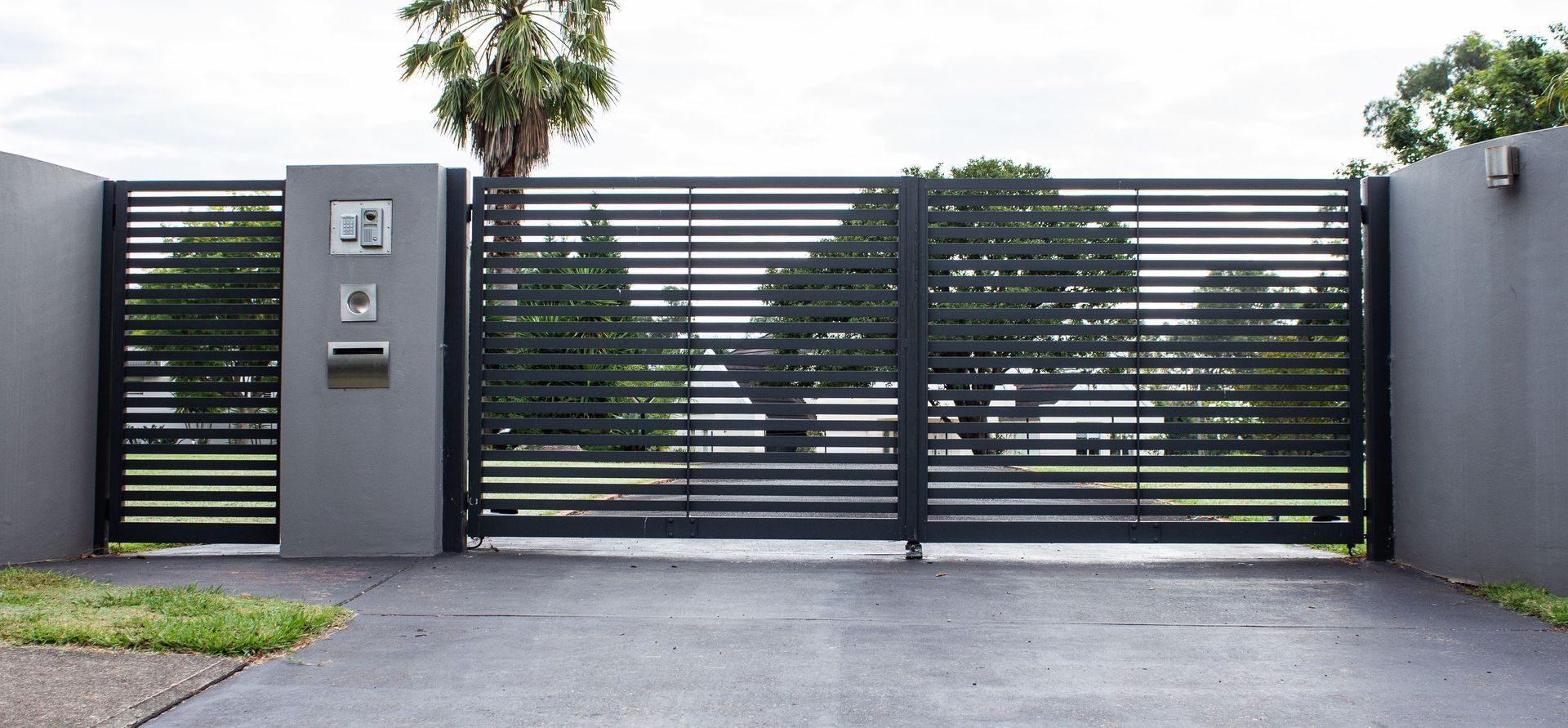
While digital credentials and network protocols provide robust internal security, a comprehensive safety framework must begin at the physical perimeter. Automated security gates, heavy-duty turnstiles, and vehicle barriers serve as the literal first line of defense for any facility. When integrated with advanced access control readers, such as long-range RFID scanners or license plate recognition cameras, physical barriers ensure that unauthorized vehicles and personnel are stopped before they ever reach the building's main doors.
3.2 The Psychological Impact of Visible Security
Beyond providing a physical barrier to entry, perimeter gates and visible access control enclosures carry immense psychological value as criminal deterrents. Intruders actively seek out soft targets that allow for fast, undetected entry and exit. According to SafeHome, burglars search for an alarm 83% of the time before attempting a break-in, and 60% choose another target if they see indication of one. By pairing an imposing automated gate layout with prominently displayed access readers, warning signage, and integrated perimeter alarms, organizations project an unshakeable security presence.
4. Expansion Scalability
4.1 Modular System Design
Modular system design is a key feature of advanced access control systems, providing the flexibility to adapt to changing needs. This design approach allows organizations to add or remove components as required, ensuring that their security infrastructure can evolve with their business. Modular systems are particularly beneficial for growing organizations, as they can scale their access control solutions without the need for a complete overhaul.
The advantages of modular system design extend to improved maintenance and upgrades. By isolating components, organizations can perform maintenance and updates without disrupting the entire system. This approach reduces downtime and ensures that security measures are always up-to-date. Additionally, modular systems offer greater customization options, allowing organizations to tailor their access control solutions to meet specific needs.
4.2 Scalability for Future Growth
Scalability is a critical consideration for organizations investing in advanced access control systems. As businesses grow and evolve, their security needs change, necessitating a system that can accommodate this growth. Scalable access control solutions allow organizations to expand their security infrastructure without the need for significant investments.
The benefits of scalability extend beyond cost savings, enhancing operational efficiency and security. By integrating scalable access control systems, organizations can streamline their security operations and reduce the complexity of managing multiple systems. This approach provides a unified view of security operations, enabling quicker responses to incidents and more informed decision-making. Additionally, scalable systems offer greater flexibility, allowing organizations to adapt their security measures to meet specific needs or changes in the business environment.
Implementing an intuitive dashboard requires careful consideration of user needs and preferences. Organizations must assess the specific requirements of their users to ensure that the dashboard meets their needs. Partnering with providers who offer customizable solutions can facilitate a smooth implementation process. By prioritizing user experience and interface design, businesses can enhance the effectiveness of their
access control systems
and achieve a more responsive and efficient security posture. To ensure your facility is equipped with the most advanced, reliable, and scalable protection available, trust the experts at Royce Integrated Solutions to design a security framework tailored specifically to your organization's future.