October 23, 2026
Organizations across the globe are prioritizing the safety of their personnel, assets, and sensitive information under the modern innovations within security industries. Implementing a robust access control system has become a fundamental necessity rather than a luxury for modern enterprises. By restricting unauthorized entry and monitoring facility usage, these solutions provide unparalleled peace of mind while streamlining daily operational workflows.
1. Securing Healthcare Facilities
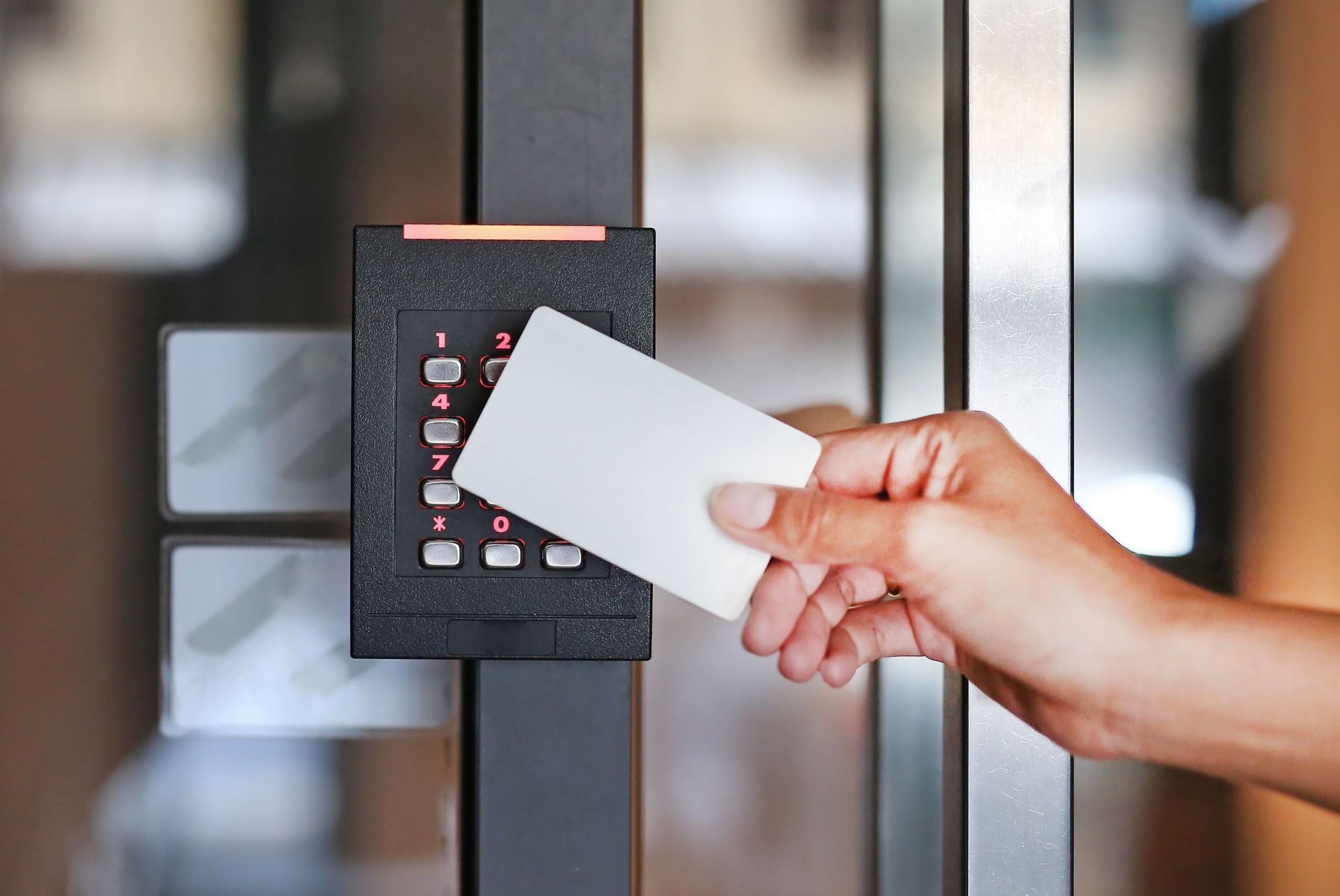
Hospitals and medical centers operate continuously, welcoming a constant influx of patients, visitors, and specialized staff throughout the day and night. Managing this relentless foot traffic requires sophisticated security measures that can differentiate between authorized medical professionals and general visitors. An advanced access control system allows hospital administrators to secure sensitive areas such as pharmacies, surgical wards, and maternity units without impeding the urgent movement of doctors and nurses. By utilizing encrypted smart cards or biometric scanners, healthcare facilities can ensure that highly regulated pharmaceuticals and confidential patient records remain strictly protected from unauthorized individuals.
Furthermore, these security measures aid in regulatory compliance, as medical institutions are bound by strict privacy laws that mandate the physical safeguarding of sensitive health information. In the event of an emergency, administrators can instantly lock down specific wings or open specialized triage zones, demonstrating the critical operational flexibility required in the healthcare sector. Continuous monitoring capabilities further enable security teams to audit entry logs and identify any unusual access patterns in real-time, effectively stopping breaches before they occur. Therefore, investing in modern entry architecture is an operational imperative for any forward-thinking healthcare organization aiming to protect its most valuable assets.
2. Protecting Educational Campuses
Schools, colleges, and university campuses are expansive environments designed to foster learning, collaboration, and community engagement, but their open nature inherently presents unique security challenges. Administrators face the daunting task of balancing an inviting academic atmosphere with the paramount need to keep students and faculty safe from external threats. Deploying a comprehensive access control system empowers educational institutions to tightly regulate entry to dormitories, research laboratories, and administrative buildings based on an individual's specific role and scheduling requirements. For example, undergraduate students might only be granted entry to their specific residence halls during designated timeframes, while graduate researchers require round-the-clock clearance for specialized laboratories. This precise level of compartmentalization prevents unauthorized wanderers from traversing academic buildings while ensuring that authorized scholars face no unnecessary barriers to their educational pursuits.
During a campus-wide crisis, security personnel can initiate a comprehensive lockdown procedure with a single command, instantly securing all perimeter doors. According to ZipDo, 60% of commercial properties now utilize wireless entry solutions, primarily because these technologies significantly reduce installation expenses while enabling convenient remote administration. This trend is particularly evident in sprawling university environments where hardwiring every single door across dozens of historic buildings would be financially and logistically prohibitive. By embracing wireless credentials on mobile devices, universities cater to the technological preferences of their demographic, creating a seamless and secure educational environment for all.
3. Safeguarding Corporate Workspaces
The corporate sector encompasses a diverse array of office environments, ranging from towering downtown skyscrapers to sprawling suburban business parks, all of which require meticulous security oversight. Protecting proprietary company data, expensive technological equipment, and the personal safety of employees stands as a top priority for corporate facility managers. A well-designed access control system provides a dynamic security framework that easily adapts to the fluctuating realities of modern corporate workflows, including hybrid schedules and flexible working hours. By leveraging security management systems, human resources departments can instantaneously issue or revoke physical building privileges as employees are onboarded or depart the company, effectively eliminating the persistent security risks associated with lost or unreturned metal keys.
Modern business centers often house multiple distinct corporations within the same building, necessitating complex security hierarchies that grant individuals entry solely to their respective floors and shared amenity spaces. Moreover, sophisticated entry software seamlessly integrates with other building management systems, such as environmental controls and intelligent lighting, optimizing energy consumption based on real-time occupancy data. When a designated sector of the office is entirely vacated, the centralized platform can automatically dim the lights and adjust the climate control, generating significant sustainability benefits and reducing overhead costs. Fortifying the corporate perimeter not only protects tangible assets but also cultivates a secure psychological environment for innovation.
4. Defending Government Installations
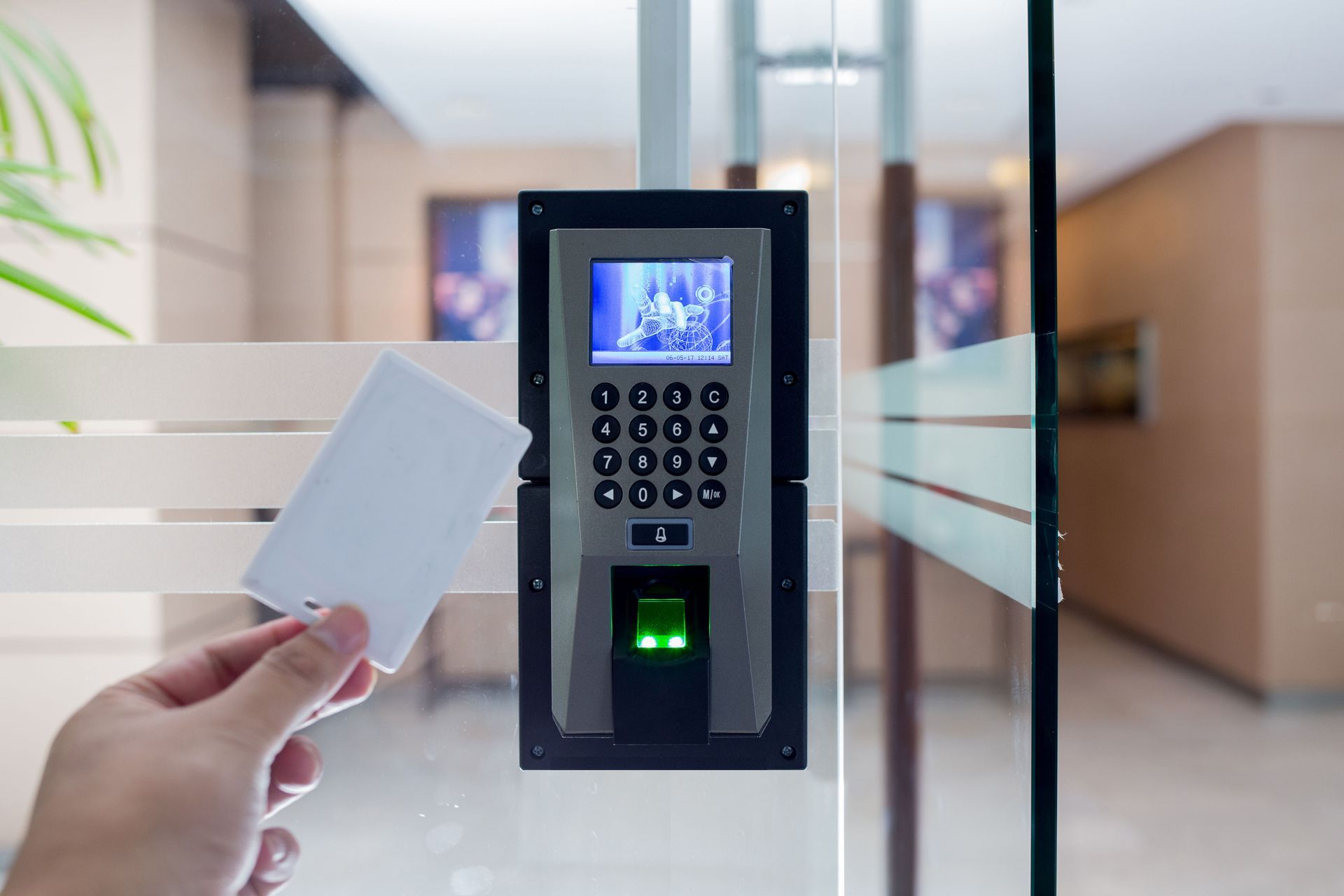
Federal, state, and local government facilities handle some of the most sensitive operations and classified information within a nation, demanding an uncompromising approach to physical security. From bustling municipal courthouses to highly secretive military research installations, these diverse properties share a common necessity for absolute control over who enters their highly restricted perimeters. Implementing an enterprise-grade access control system allows governmental agencies to enforce strict identity verification protocols, often requiring multi-factor authentication such as combining a smart card swipe with biometric fingerprint or iris recognition. This layered defense strategy ensures that even if a credential is lost or stolen, unauthorized individuals remain entirely incapable of breaching secure zones.
High-security sectors, such as evidence storage rooms in police departments or intelligence briefing rooms in federal agencies, demand an unalterable audit trail detailing every single entry attempt, both successful and denied. These meticulously maintained logs are frequently audited by independent oversight committees to guarantee that strict operational protocols are continuously upheld. Interoperability between various municipal departments is another critical factor, as emergency responders may require immediate, unhindered entry to specific government facilities during a localized crisis. By investing in these sophisticated perimeter defenses, governmental entities fulfill their fundamental duty to protect public servants, safeguard vital infrastructure, and maintain continuous operational readiness.
5. Fortifying Manufacturing Plants
Industrial manufacturing plants and large-scale distribution warehouses present highly complex logistical environments fraught with both external security threats and internal occupational hazards. These expansive facilities typically house millions of dollars in raw materials, heavy machinery, and finished inventory, making them highly attractive targets for organized theft and corporate sabotage. Beyond simple theft prevention, an industrial-focused access control system serves as a crucial component of comprehensive occupational health and safety programs by keeping untrained personnel away from dangerous operational zones. For instance, only certified machine operators and specialized maintenance technicians should possess the necessary credentials to enter high-voltage electrical rooms, chemical storage bunkers, or heavy robotics bays. By strictly enforcing these physical boundaries, manufacturing executives drastically reduce the likelihood of catastrophic workplace accidents and costly regulatory fines associated with safety violations.
Furthermore, time and attendance data captured at employee turnstiles can be automatically exported to centralized payroll software, streamlining administrative processes and preventing instances of time theft or buddy punching. During shift changes, hundreds of industrial workers may attempt to enter or exit the facility simultaneously, requiring high-throughput security turnstiles that rapidly process credentials without compromising verification standards. The rugged nature of heavy industry also necessitates hardware that can withstand extreme temperatures, ensuring that security measures remain fully operational in harsh manufacturing environments.
As technological capabilities continue to advance, the necessity for robust physical security measures transcends nearly every professional sector and organizational scale. Implementing these sophisticated entry management frameworks empowers leadership teams to proactively mitigate physical risks, optimize facility operations, and foster a profoundly secure environment for all stakeholders. Safeguarding physical premises remains the foundational pillar upon which all other operational successes and innovations are confidently built. For more insight on what industries benefit most from a professionally installed access control system, please contact Royce Integrated Solutions.